


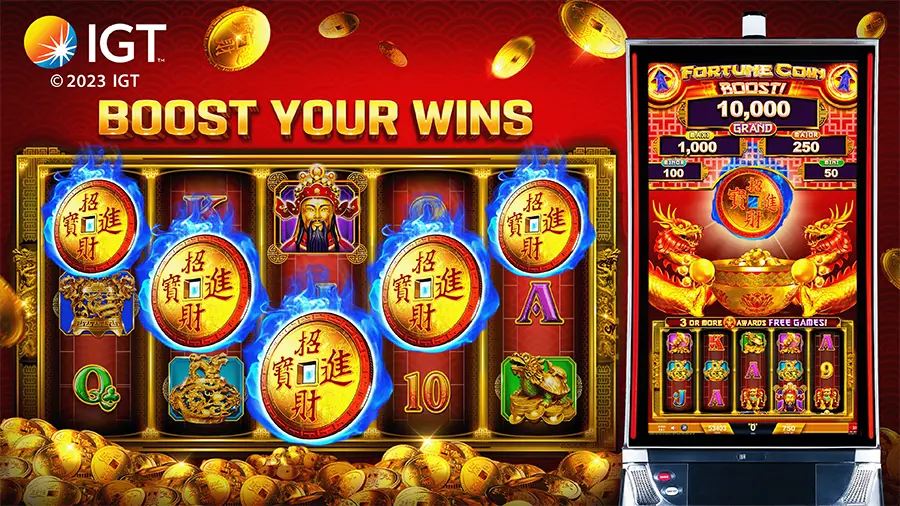

Cash Rally can look a lot like a real slots app at first glance: spinning reels, flashy jackpots, coin packages, timed bonuses, and that familiar casino-style audio. The important difference is what sits behind the interface. This app runs on a social casino model, which means you play with virtual currency for entertainment, not for cash returns. For Canadian players, that distinction matters because it affects everything from withdrawals and purchases to age ratings, expectations, and how the app fits within the wider conversation around gambling-style mobile games.
Social casino model: Entertainment vs gambling
Cash Rally is built to simulate the feel of a casino without turning gameplay into a real-money betting product. You still get reels, bonus rounds, themed slot rooms, clubs, gifts, and progression systems, but the purpose is entertainment and app engagement rather than wagering money for a cash prize.
In practical terms, a social casino app borrows the presentation of gambling while removing the core legal element that defines real-money gambling: staking money on an uncertain outcome for the chance to win something with real-world monetary value. In Cash Rally, the outcome may be uncertain, but the winnings stay inside the game.
A simple way to look at it is this:
| Feature | Cash Rally social play | Real-money casino |
|---|---|---|
| Currency used | Virtual coins and similar in-game credits | Real money deposits |
| Can you cash out? | No | Usually yes, subject to verification and rules |
| Purpose of play | Entertainment, collection, progression, social features | Entertainment plus potential monetary return |
| Financial risk | Only if you choose optional in-app purchases | Yes, deposited money can be lost |
| Prize value outside the app | No direct cash value in normal gameplay | Cash or cash-equivalent winnings |
That is why calling Cash Rally a gambling app in the same sense as a licensed online casino would be misleading. It imitates casino gameplay, but it does not offer a profit path.
One thing I always tell readers is to judge this kind of app by the right standard. If you open Cash Rally expecting entertainment, progression, and free-coin sessions, the model makes sense. If you install it hoping to turn a jackpot animation into Interac money, you will be disappointed immediately.
Virtual winnings: Why you cannot withdraw cash
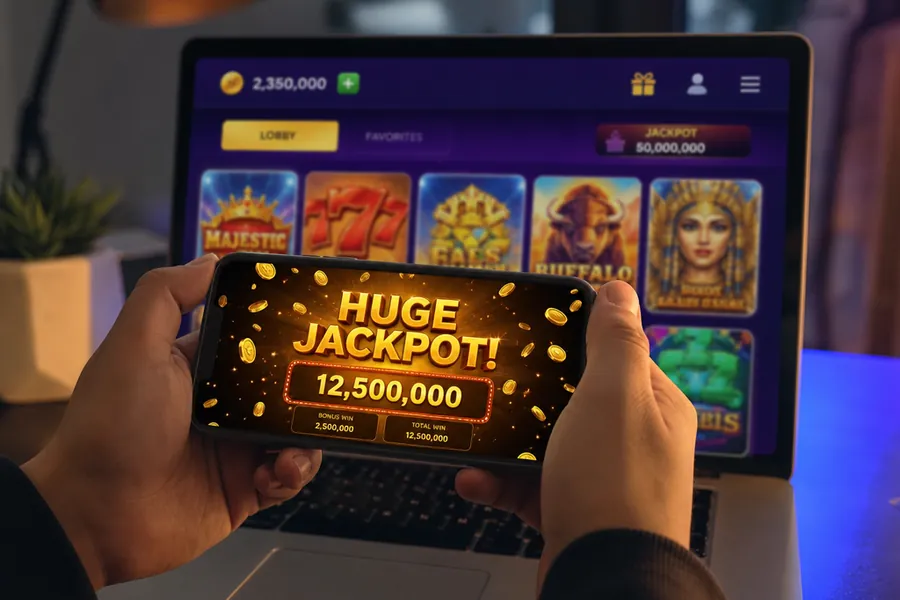
Every balance, jackpot, and reward inside Cash Rally is virtual. That includes the big wins that may look impressive on screen. A “Huge Jackpot” or boosted payout increases your in-game balance only; it does not create a withdrawable amount, bank transfer, e-wallet balance, gift card credit, or any other real-world asset.
There is no normal withdrawal function because the app is not designed around redeemable winnings. You should not expect a cash-out menu, banking page, or withdrawal approval workflow like the ones used by regulated gambling operators.
Here is the key distinction:
- Virtual coins are gameplay resources, not money held on account for you.
- Jackpots are in-game events, not prizes payable in Canadian dollars.
- Your balance is closed-loop, meaning it stays within the app ecosystem.
- You cannot transfer coins to a bank account, card, or standard payment wallet.
- You cannot redeem coins for cash, gift cards, or physical goods through regular gameplay.
That closed-loop design is exactly why the app sits outside the standard real-money casino category.
For players who are new to social slots, the most common misunderstanding is assuming that “coins” work like a stored balance. They do not. They behave more like energy, tokens, or credits in other mobile games: useful inside the app, but not owned in a way that creates withdrawal rights.
I have seen this confusion over and over in app reviews: someone wins a giant virtual jackpot and assumes a payment should follow. The app language can be very celebratory, so the misunderstanding is understandable. Still, the test is simple: if the winnings never leave the game economy, they are not cash winnings.
In-app purchases and real-world value
Cash Rally may offer coin packs, bundles, or limited-time purchase deals through the App Store or Google Play. These are in-app purchases for extra virtual currency so you can keep playing, enter higher-stake rooms, or progress faster.
What matters is that paying real money for coins does not convert those coins into something with cash value. You are paying for digital entertainment access and pacing, not buying an asset you can later redeem.
That makes these purchases closer to buying cosmetic items, lives, or premium resources in a mobile game than making a gambling deposit.
| Action | What you give | What you receive | Can it be turned back into cash? |
|---|---|---|---|
| Claim a free bonus | Time and app engagement | Virtual coins | No |
| Buy a coin pack | Real money through Apple or Google billing | More virtual coins | No |
| Win a jackpot in-game | Virtual spins or credits | Larger in-game balance | No |
| Use coins on spins | Virtual balance | Gameplay and possible in-game rewards | No |
A few practical points are worth keeping in mind:
- Buying coins does not improve your chances in future real-money casinos.
- Spending more in a social slots app does not create legal entitlement to a payout.
- App store billing security is separate from game outcome expectations.
- Refunds, if available at all, usually follow Apple or Google platform rules rather than an in-game cashier model.
If you want to understand the game side better, see how the slot mechanics work. If your goal is stretching playtime without spending, the most useful starting point is free coin offers and rewards.
Safe play: Keeping it casual
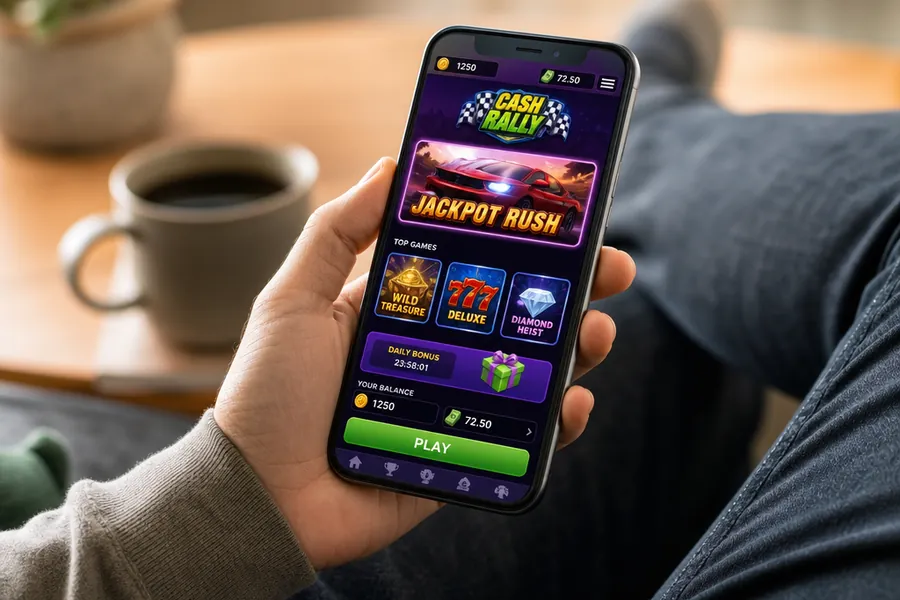
Because there is no standard cash-out, the main risk in Cash Rally is not classic gambling loss in the legal sense. The real risk is softer and more familiar to anyone who tests mobile game economies: overspending on convenience or spending more time than intended chasing another run of virtual wins.
That is why casual boundaries matter even in a social casino app.
Useful habits include:
- Set a monthly or weekly in-app purchase limit before you buy anything.
- Use device-level purchase controls, especially if other family members use the phone or tablet.
- Treat purchases as entertainment spending, not as an investment or strategy.
- Stop when the game stops feeling fun and starts feeling compulsory.
- Avoid “chasing” a previous jackpot feeling with more purchases.
The psychology here is subtle. Social slots often deliver frequent celebratory feedback: bright win animations, repeated near-misses, timed rewards, and progression nudges. None of that means a cash opportunity is around the corner. It simply means the game is designed to keep sessions lively.
My own rule with social casino apps is boring but effective: if I feel tempted to buy coins because I am annoyed rather than because I genuinely want more entertainment time, I close the app. That tiny pause catches a lot of impulse spending before it turns into a habit.
For a broader starting point on the app and its main features, the Cash Rally guides overview can help you compare sections quickly.
Legal status: Social slots in Canada
In Canada, social casino apps such as Cash Rally are generally treated differently from real-money gambling products because standard gameplay does not pay out cash or cash-equivalent prizes. That legal distinction is the backbone of the model.
Broadly speaking, if an app simulates slot play but does not let users stake money for a withdrawable prize, it is usually not classified the same way as a regulated online casino. That is why social slots can operate across Canadian provinces in app stores under entertainment or social casino frameworks.
That said, a few important nuances matter:
- Legal availability does not mean risk-free design. The app may still use persuasive monetization tools.
- Platform rules still apply. Apple and Google have policies for casino-style simulations and age labelling.
- Age ratings may be higher. Even without cash payouts, apps can be marked 17+, 18+, or local equivalent because they simulate gambling themes.
- Terms of service still matter. Account selling, unauthorized trading, or manipulative refund abuse can trigger account action.
Canadian players should also avoid assuming that “legal in the app store” means “regulated like a real-money casino.” Those are two different things. Social casino legality is mostly tied to the absence of redeemable monetary winnings, not to a gambling licence structure identical to wagering sites.
FAQ: Money and withdrawal inquiries

Most reader questions on this topic come down to one thing: if the game looks like slots and sells coins, where is the money supposed to go? The short answer is that it stays inside the game economy. Here are the practical answers to the most common Cash Rally real money questions.
Can I transfer my Cash Rally coins to my bank account?
No. Cash Rally coins have no direct cash value and cannot be withdrawn, transferred to a bank account, or redeemed through normal gameplay. They are virtual credits used only inside the app.
Is this app a scam if I can't win real money?
Not simply because there is no payout. A social casino app is built for entertainment rather than cash gambling, and the no-withdrawal model is part of that design. The important test is whether the app clearly presents itself as social play rather than falsely promising real-money rewards.
I won a Huge Jackpot, how do I get the money?
You do not receive cash from a standard in-game jackpot. The jackpot amount is added to your virtual balance so you can continue playing, unlock bigger session options, or absorb larger spin costs inside the app.
Are in-app purchases mandatory?
No. Social slots are typically playable for free through timed bonuses, login rewards, events, and starter balances. Purchases are optional, though the app may encourage them when your balance runs low.
Why do people buy coins if they can't win real money?
Usually for convenience and momentum. Players may want longer sessions, faster progression, access to premium rooms, or enough balance to join higher-cost events without waiting for free bonuses to refill their account.
Is my credit card safe when buying coins?
Payments are generally processed through the official Apple App Store or Google Play billing systems rather than directly inside a casino cashier. That is usually safer than entering card details into a random site, but you should still use strong device security and review purchase settings.
Can I sell my account with billions of coins?
No, and it is a bad idea even if someone offers. Account selling or transferring often breaches the app's terms and can lead to suspension, permanent bans, or loss of access without compensation. It also creates privacy and payment-security risks.
If you ever feel the app description, a third-party ad, or another user is implying guaranteed cash rewards from normal Cash Rally gameplay, slow down and verify the source. In my experience, the confusion often comes from misleading comments or promo language outside the app itself, not from an actual withdrawal feature hidden somewhere in the menu.